The Ultimate Guide to Paver Sealing on Long Island: Why Timing is Everything
Long Island's freeze-thaw cycles destroy unsealed pavers every winter. Timing your sealing right protects your investment and prevents thousands in repair costs.
Share:
Summary:
What Paver Sealing Actually Does (And Why Long Island Needs It)
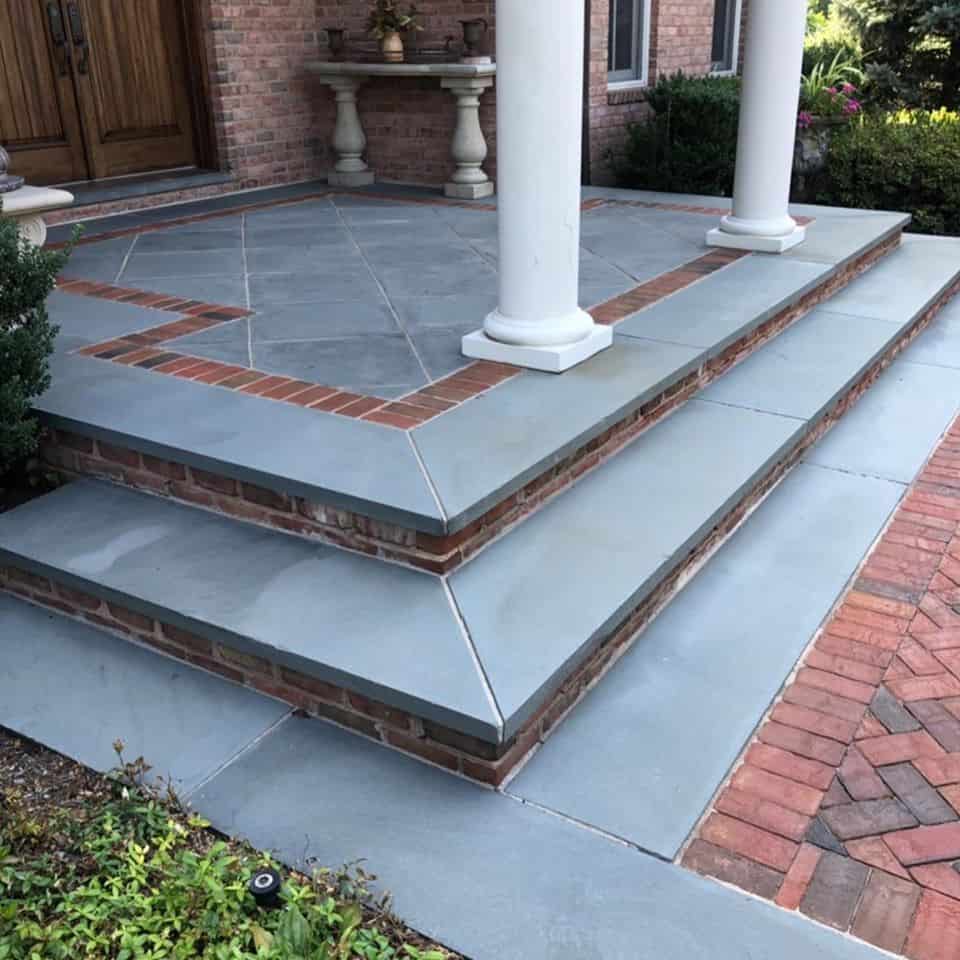
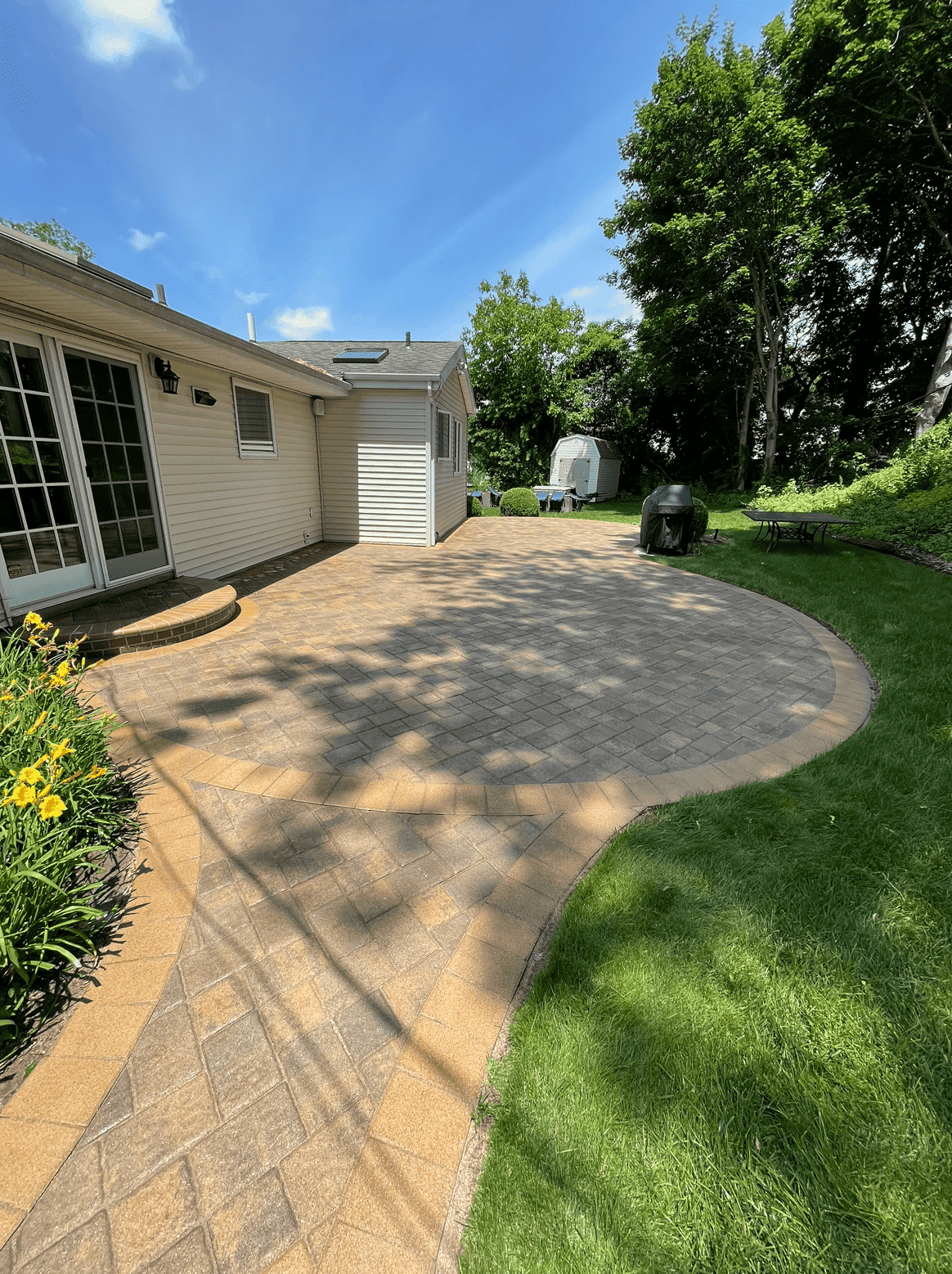
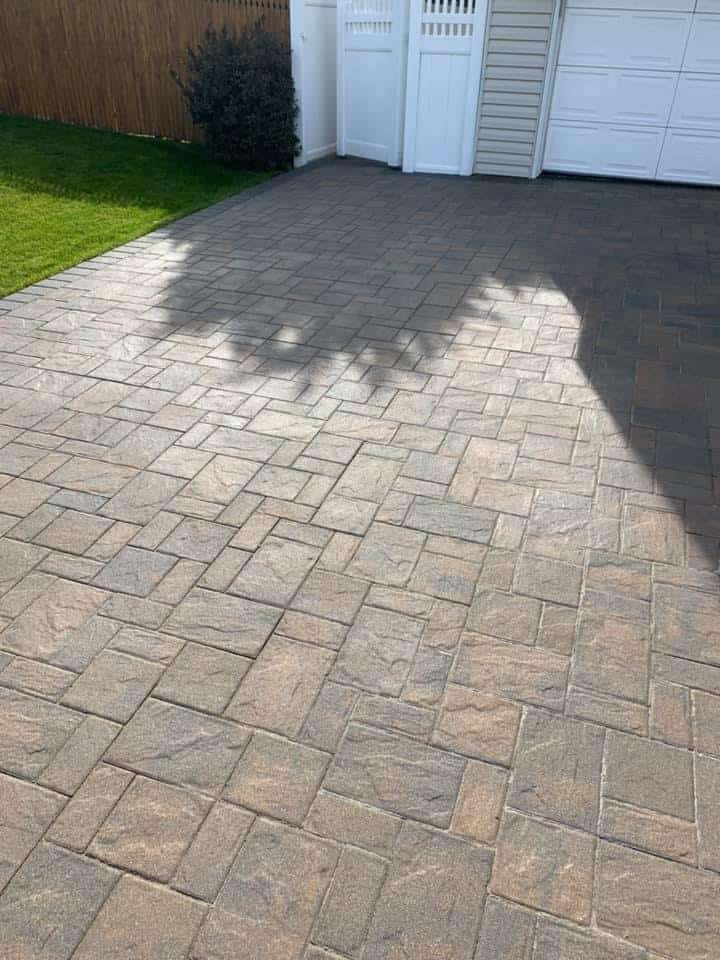
Paver sealing creates a protective barrier on the surface of your concrete, brick, or natural stone pavers. Think of it like a raincoat for your hardscape. The sealant penetrates the porous surface and forms a shield that repels water, resists stains, and blocks UV damage.
But on Long Island, sealing does something even more important: it protects against freeze-thaw destruction. When water seeps into unsealed pavers and freezes, it expands by about 9%. That expansion creates enough pressure to crack concrete and shift heavy pavers out of place. One freeze-thaw cycle won’t destroy your patio, but Long Island gets 30 to 40 of them every winter.
The sealant also locks in the joint sand between your pavers. Without it, rain and snowmelt wash that sand away, destabilizing your entire surface and creating perfect conditions for weeds to take root. Once the sand’s gone, your pavers start shifting independently, creating uneven surfaces and gaps that collect more water and accelerate the damage.
How Long Island's Freeze-Thaw Cycles Damage Unsealed Pavers
Nassau and Suffolk counties sit in a climate zone that’s particularly brutal on hardscaping. You get coastal moisture from the Atlantic, inland temperature swings, and winters that hover right around the freezing mark. That last part is the killer.
When temperatures bounce above and below 32 degrees repeatedly, water trapped in your pavers goes through constant freeze-thaw cycles. Each time it freezes, it expands with tremendous force—enough to create pressures up to 30,000 pounds per square inch. That’s not a typo. The pressure is strong enough to crack solid concrete from the inside out.
You’ll see the damage as small cracks at first, or maybe that white chalky residue called efflorescence. But underneath, moisture is working its way deeper into the paver structure with every cycle. By spring, what started as minor cosmetic issues can turn into serious structural problems. Pavers that seemed solid in October are suddenly loose, uneven, or cracked by April.
The spring thaw makes it worse. All that melting ice creates water flow that erodes the base materials supporting your pavers. Sand washes out from the joints. The gravel base underneath shifts. Before you know it, you’re looking at sections that have settled unevenly or pavers that rock underfoot. Fixing that kind of damage means pulling up pavers, rebuilding the base, and reinstalling everything. That’s not a weekend DIY project—it’s a multi-thousand dollar repair.
Sealing stops this cycle before it starts. The barrier keeps water from penetrating deep into the paver where it can freeze and expand. Surface moisture still happens, but it can’t work its way into the structure where the real damage occurs. For Long Island homeowners, that protection isn’t optional. It’s the difference between pavers that last decades and pavers that need major repairs every few years.
Salt Air, UV Damage, and Other Long Island Challenges
Nassau and Suffolk counties sit in a climate zone that’s particularly brutal on hardscaping. You get coastal moisture from the Atlantic, inland temperature swings, and winters that hover right around the freezing mark. That last part is the killer.
When temperatures bounce above and below 32 degrees repeatedly, water trapped in your pavers goes through constant freeze-thaw cycles. Each time it freezes, it expands with tremendous force—enough to create pressures up to 30,000 pounds per square inch. That’s not a typo. The pressure is strong enough to crack solid concrete from the inside out.
You’ll see the damage as small cracks at first, or maybe that white chalky residue called efflorescence. But underneath, moisture is working its way deeper into the paver structure with every cycle. By spring, what started as minor cosmetic issues can turn into serious structural problems. Pavers that seemed solid in October are suddenly loose, uneven, or cracked by April.
The spring thaw makes it worse. All that melting ice creates water flow that erodes the base materials supporting your pavers. Sand washes out from the joints. The gravel base underneath shifts. Before you know it, you’re looking at sections that have settled unevenly or pavers that rock underfoot. Fixing that kind of damage means pulling up pavers, rebuilding the base, and reinstalling everything. That’s not a weekend DIY project—it’s a multi-thousand dollar repair.
Sealing stops this cycle before it starts. The barrier keeps water from penetrating deep into the paver where it can freeze and expand. Surface moisture still happens, but it can’t work its way into the structure where the real damage occurs. For Long Island homeowners, that protection isn’t optional. It’s the difference between pavers that last decades and pavers that need major repairs every few years.
When to Seal Pavers for Best Results
Timing matters more than most homeowners realize. Seal too early and you can trap moisture or efflorescence under the coating, creating a cloudy haze that’s difficult to fix. Seal too late and you’ve already let damage start that the sealer can’t reverse. Get the timing right and you maximize protection while avoiding common problems.
For new paver installations, wait at least 30 to 90 days before sealing. That gives the pavers time to cure fully, allows any efflorescence to work its way out, and lets the joint sand settle into place. Rushing this step is one of the most common mistakes homeowners make. The pavers might look ready, but if there’s still moisture working through the system, sealing traps it and causes problems down the road.
For existing pavers that have never been sealed, the best time is late spring or early fall. You want temperatures between 50 and 90 degrees, low humidity, and at least 48 hours of dry weather in the forecast. That gives the sealer ideal conditions to cure properly without interference from rain, extreme heat, or cold.

Best Time of Year to Seal Pavers in Long Island
Long Island’s seasonal weather creates specific windows when sealing conditions are ideal. Spring and fall are your best bets. Temperatures are moderate, humidity is typically lower than summer, and you’re less likely to get surprise weather that interferes with curing.
Late spring—usually May into early June—works well because your pavers have dried out from winter moisture and temperatures have stabilized above 50 degrees. You’re also getting ahead of the intense summer UV exposure that starts accelerating paver deterioration. The downside is that spring can bring unpredictable rain, so you need to watch the forecast carefully.
Early fall, from mid-September through October, is often the sweet spot. Temperatures are still warm enough for proper curing, but you’ve left behind the extreme heat and humidity of summer. You’re also preparing your pavers for winter, giving them maximum protection before freeze-thaw cycles start. The weather tends to be more stable in fall too, with fewer surprise storms that can disrupt the sealing process.
Summer sealing is possible but tricky. High temperatures can cause sealers to dry too quickly, leading to uneven application, bubbling, or a finish that doesn’t bond properly. If you need to seal in summer, do it early morning when temperatures are coolest. Avoid afternoons when pavers are hot to the touch—that heat causes flash drying that compromises the seal.
Winter sealing is generally not recommended. Cold temperatures prevent sealers from curing correctly. The product can thicken, making it difficult to apply evenly. Worse, moisture can get trapped in the substrate, and when temperatures drop, that trapped moisture freezes and causes exactly the kind of damage you’re trying to prevent. If your pavers need attention in winter, plan for a spring sealing instead.
The other timing consideration is how often to reseal. On Long Island, plan on resealing every two to four years. High-traffic areas like driveways may need attention on the shorter end of that range. Pool decks see heavy UV exposure and chemical exposure from chlorine, so they often need more frequent maintenance. Covered patios or areas that don’t get direct sun can go longer between applications.
How Often Should You Seal Pavers
The “reseal every three to five years” advice you’ll see online is a general guideline that doesn’t account for Long Island’s specific conditions. Here, you’re dealing with more aggressive weather than most regions, which means your sealer breaks down faster.
Traffic levels make a big difference. A driveway that sees two cars daily experiences more abrasion than a back patio you use occasionally. That constant wear gradually removes the protective layer. If you’re noticing that water no longer beads up on the surface—it soaks in instead—that’s a sign your sealer is wearing thin.
Sun exposure is another factor. UV rays break down sealers over time, especially solvent-based products that can yellow or degrade under constant sunlight. South-facing patios and pool decks get hammered by sun all day, every day. That UV assault shortens the effective lifespan of your sealer compared to shaded areas or north-facing surfaces.
The type of sealer you originally used matters too. Film-forming sealers that create a glossy, wet look typically last three to five years but show wear more obviously. You’ll see the sheen fade and the surface start to look dull. Penetrating sealers that give a more natural finish can last slightly longer because they work below the surface, but they’re harder to evaluate visually. You need to test how water behaves on the surface to know when protection is failing.
Long Island’s coastal environment accelerates sealer breakdown. Salt air is corrosive. It doesn’t just affect the pavers—it affects the protective coating too. If you’re within a few miles of the water, expect to reseal on the shorter end of the maintenance cycle. Inland properties can sometimes stretch it a bit longer, but not by much given the freeze-thaw stress everyone in Nassau and Suffolk counties experiences.
The best approach is to inspect your pavers annually, ideally in early spring after winter has done its worst. Look for signs the sealer is failing: fading colors, water absorption instead of beading, stains that won’t clean off, or the return of that white efflorescence. Catching these signs early means you can reseal before damage occurs. Wait too long and you’re not just resealing—you’re repairing damage that could have been prevented.
Professional maintenance makes this easier. We can evaluate your surfaces and recommend the right timing based on actual condition, not just a calendar schedule. We’ll spot early warning signs you might miss and can reseal before you’ve got problems that require more extensive work.
Protecting Your Paver Investment with Proper Timing
Your pavers represent a significant investment in your property. Whether it’s a driveway, patio, pool deck, or walkway, you paid good money for quality materials and professional installation. Protecting that investment with proper sealing isn’t optional—not in Long Island’s climate.
The timing matters because Long Island’s weather doesn’t give you second chances. Every winter brings dozens of freeze-thaw cycles. Every summer brings UV damage and salt air exposure. Every rainstorm washes away more joint sand if it’s not properly sealed. The question isn’t whether unsealed pavers will deteriorate. It’s how soon and how badly.
Sealing at the right time—when conditions are ideal and before damage starts—gives you maximum protection at minimum cost. It’s preventive maintenance that pays for itself many times over by avoiding repairs, extending the life of your hardscape, and keeping your property looking its best. At Paver Savers, we bring nearly 50 years of combined experience to every project in Nassau and Suffolk counties, ensuring your pavers get the protection they need exactly when they need it.
Article details:
- Published by:
- Paver Savers
- Published to:
- Last modified:
- March 15, 2026
Share:
Continue learning: