Travertine Sealing vs. Paver Sealing: Why The High-End Material Needs a Different Approach (ROI)
Travertine isn't just another paver—it's a premium natural stone that demands specialized sealing techniques for maximum protection and longevity.
Share:
Summary:
Why Travertine Sealing Differs from Regular Paver Sealing
Travertine isn’t just another paver material—it’s a premium natural limestone with unique characteristics that demand specialized care. While concrete pavers are manufactured with consistent density and porosity, travertine forms naturally around mineral springs, creating a complex network of interconnected channels and varying absorption rates.
Most paver sealing companies treat all materials the same way, using identical products and techniques across concrete, brick, and natural stone. This one-size-fits-all approach works fine for manufactured materials but can be disastrous for travertine.
The fundamental difference lies in porosity and chemical composition. Travertine’s natural formation creates capillary channels that act like a sponge system, drawing in liquids through complex pathways that standard paver sealers can’t properly address.
The Science Behind Travertine's Unique Structure
Understanding why travertine requires different treatment starts with understanding its formation. This sedimentary rock develops from mineral-rich hot springs, where calcium carbonate precipitates and hardens over thousands of years. The result is a stone riddled with natural holes, fissures, and interconnected channels that create both its distinctive beauty and its maintenance challenges.
These porous channels don’t just sit on the surface—they penetrate deep into the stone, creating pathways that allow liquids to travel throughout the material. When you spill wine or oil on sealed concrete pavers, it typically beads up on the surface. With improperly sealed travertine, that same spill can penetrate inches deep, creating permanent staining that’s nearly impossible to remove.
The calcium carbonate composition also makes travertine more sensitive to acidic substances than manufactured pavers. Pool chemicals, citrus drinks, and even some cleaning products can cause etching—permanent dulling or pitting of the surface that requires professional restoration.
This is why using standard paver sealers on travertine often fails. These products are formulated for the consistent porosity of concrete, not the variable absorption rates and chemical sensitivities of natural limestone. The result is uneven protection, premature sealer failure, and vulnerability to the exact problems sealing should prevent.
Common Mistakes That Cost Long Island Homeowners Thousands
Understanding why travertine requires different treatment starts with understanding its formation. This sedimentary rock develops from mineral-rich hot springs, where calcium carbonate precipitates and hardens over thousands of years. The result is a stone riddled with natural holes, fissures, and interconnected channels that create both its distinctive beauty and its maintenance challenges.
These porous channels don’t just sit on the surface—they penetrate deep into the stone, creating pathways that allow liquids to travel throughout the material. When you spill wine or oil on sealed concrete pavers, it typically beads up on the surface. With improperly sealed travertine, that same spill can penetrate inches deep, creating permanent staining that’s nearly impossible to remove.
The calcium carbonate composition also makes travertine more sensitive to acidic substances than manufactured pavers. Pool chemicals, citrus drinks, and even some cleaning products can cause etching—permanent dulling or pitting of the surface that requires professional restoration.
This is why using standard paver sealers on travertine often fails. These products are formulated for the consistent porosity of concrete, not the variable absorption rates and chemical sensitivities of natural limestone. The result is uneven protection, premature sealer failure, and vulnerability to the exact problems sealing should prevent.
The Unique Benefits of Specialized Travertine Sealing
When travertine sealing is done correctly with appropriate products and techniques, it delivers benefits that go far beyond what standard paver sealing can achieve. The key is using impregnating sealers specifically formulated for natural limestone rather than film-forming products designed for manufactured materials.
Proper travertine sealing creates an invisible barrier that penetrates deep into the stone’s porous structure, providing protection from within rather than just coating the surface. This approach preserves the stone’s natural breathability while blocking the absorption of stains, moisture, and contaminants.
The investment in specialized sealing pays dividends through enhanced durability, easier maintenance, and preserved property value. Quality travertine can last 100+ years with proper care, making the upfront sealing investment a fraction of replacement costs.
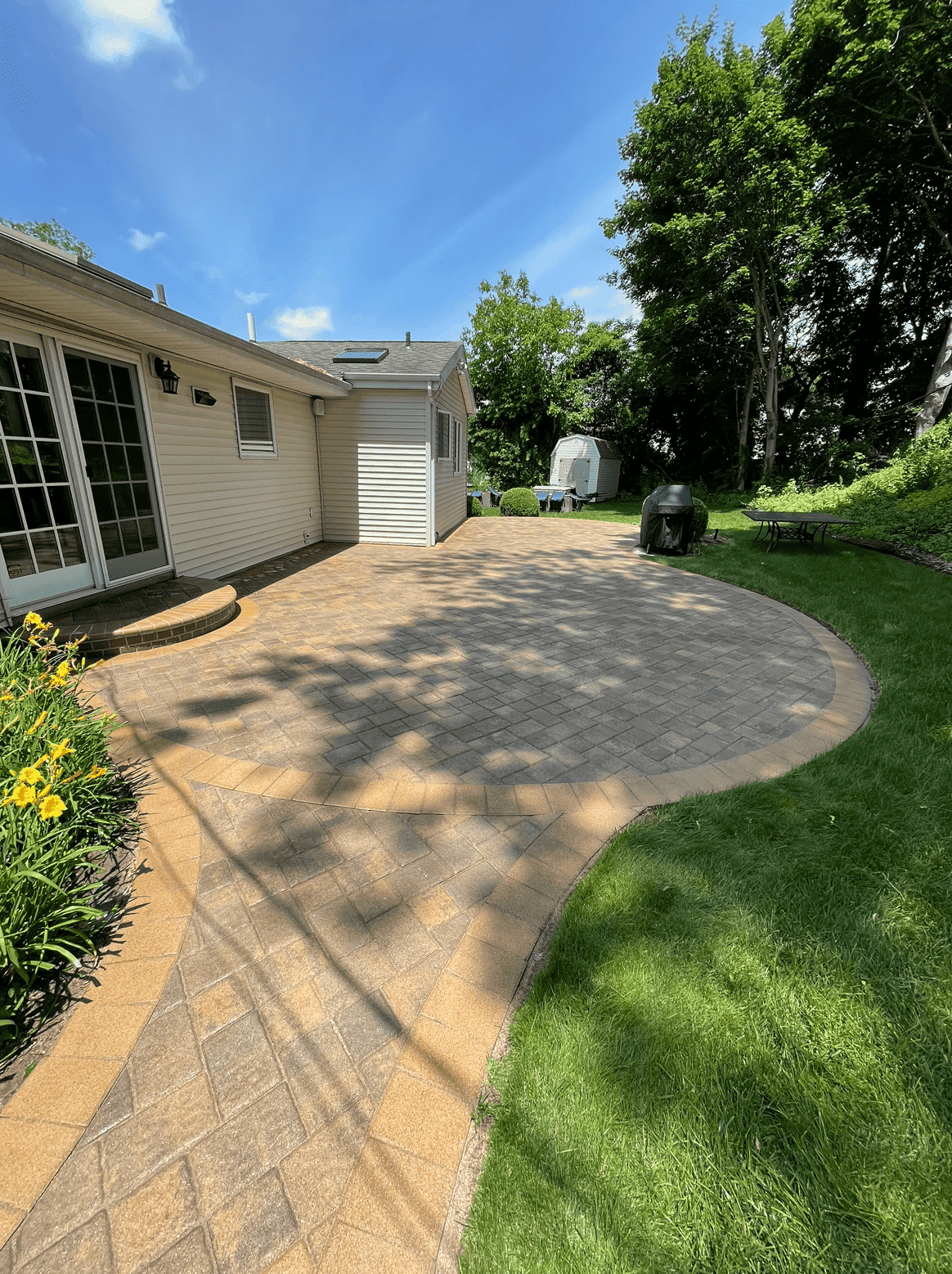
Long-Term Protection That Preserves Your Investment
The financial benefits of proper travertine sealing become clear when you consider the alternatives. Unsealed travertine absorbs everything—oil from grilling, wine from entertaining, chlorine from pool water, and moisture that creates ideal conditions for mold and mildew growth. Once these substances penetrate the stone, removal often requires professional restoration services that can cost $5-$15 per square foot.
Properly sealed travertine, by contrast, allows spills to bead up on the surface where they can be easily wiped away before penetration occurs. The sealer also blocks UV rays that would otherwise fade the stone’s warm natural colors, maintaining the aesthetic value that attracted you to travertine in the first place.
The protection extends beyond staining to structural integrity. Moisture that penetrates unsealed travertine can freeze during Long Island winters, creating expansion that leads to cracking, spalling, and premature deterioration. Quality sealing prevents this moisture infiltration, preserving the stone’s structural soundness through decades of freeze-thaw cycles.
From a maintenance perspective, sealed travertine requires significantly less ongoing care than unsealed stone. Regular cleaning becomes simpler because dirt and grime can’t penetrate the protected surface. This translates to lower long-term maintenance costs and more time enjoying your outdoor space rather than scrubbing stains.
ROI Analysis: Why Specialized Sealing Pays for Itself
The numbers tell a compelling story about travertine sealing ROI. Professional travertine sealing typically costs $2-4 per square foot, depending on the specific products and techniques required. For a typical 500-square-foot pool deck, that’s a $1,000-2,000 investment that provides 3-5 years of protection.
Compare this to the cost of problems that occur without proper sealing. Stain removal services run $5-15 per square foot and may not be completely successful on severely damaged stone. Sealer stripping and reapplication after improper initial sealing can cost $8-12 per square foot. Complete travertine replacement runs $25-60 per square foot installed.
The maintenance time savings alone justify the sealing investment for many homeowners. Unsealed travertine requires frequent deep cleaning, spot treatment for stains, and constant vigilance about spills. Properly sealed stone needs only routine cleaning with mild soap and water, freeing up weekends for more enjoyable activities.
Property value considerations add another layer to the ROI calculation. Well-maintained travertine enhances curb appeal and can increase property values, while stained, damaged, or poorly maintained stone detracts from overall property presentation. Real estate professionals consistently note that outdoor living spaces with quality materials in excellent condition command premium pricing.
The peace of mind factor, while harder to quantify, represents significant value for many Long Island homeowners. Knowing your substantial travertine investment is properly protected allows you to enjoy your outdoor space without constant worry about damage or maintenance issues.
Making the Right Choice for Your Long Island Travertine
Understanding the difference between generic paver sealing and specialized travertine care is the first step toward protecting your investment. The unique characteristics of natural limestone demand products, techniques, and expertise that most general paver companies simply don’t possess.
The key is finding professionals who understand travertine’s specific requirements and have the experience to deliver long-lasting results. Look for companies that can explain the differences between impregnating and film-forming sealers, discuss local climate considerations, and provide examples of their travertine-specific work.
Your travertine represents a significant investment in your property’s beauty and functionality. Protecting that investment with appropriate sealing ensures you’ll enjoy its benefits for decades to come. For expert travertine sealing that delivers lasting protection and peace of mind, contact us to discuss your specific needs and receive a detailed assessment of your stone’s requirements.
Article details:
- Published by:
- Paver Savers
- Published to:
- Last modified:
- June 12, 2026
Share:
Continue learning: