Professional Pressure Cleaning Services Explained
Not all pressure cleaning is the same. Here's what a professional service actually looks like — and what to expect from start to finish.
Share:
Summary:
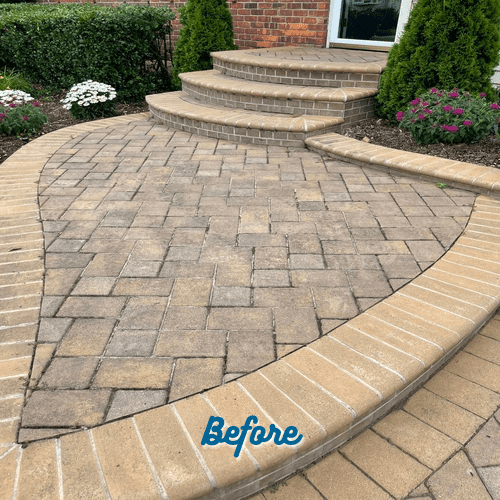
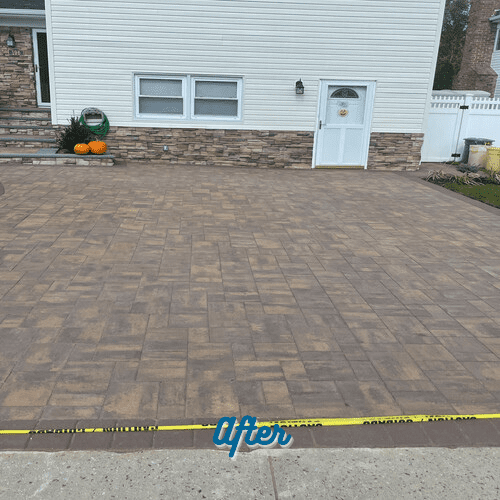
Your pavers looked great when they were first installed. Now they’re discolored, streaked with algae, or growing weeds in every joint — and no amount of DIY scrubbing has made a dent. If that sounds familiar, you’re not alone. Most homeowners in Nassau County reach a point where they want the job done properly, by someone who actually knows what they’re doing. This page walks you through what professional pressure cleaning services really involve, what separates a quality job from a rushed one, and why the details matter more than most people realize.
What Professional Pressure Cleaning Services Actually Include
There’s a big difference between someone showing up with a rented machine and a trained technician who knows how to treat your specific surface. Our pressure cleaning services start before the water ever turns on. The technician walks the property with you, notes any pre-existing damage, and identifies what’s actually on the surface — whether that’s efflorescence, algae, mold, oil staining, or years of compacted debris. That assessment shapes everything that follows.
From there, equipment gets set up — typically a commercial-grade unit paired with a 20-inch rotary surface cleaner, which delivers consistent, even coverage across flat paver surfaces. This matters more than it sounds. Consumer-grade wands leave streaking and uneven patterns that are visible once the surface dries. Professional equipment doesn’t.
How the Pressure Cleaning Process Works Step by Step
Once the assessment is done and equipment is in place, the actual cleaning process follows a specific sequence — and skipping any part of it is where things go wrong.
First, weeds and plant matter growing between the paver joints get removed. This step gets overlooked by generalist pressure washers, but it matters because organic material left in the joints will regrow quickly and trap moisture against the surface. For pavers showing white, chalky deposits — a condition called efflorescence, common across Nassau County’s coastal communities — we apply a targeted pre-treatment before any pressure hits the surface. Salt air from the Atlantic and Long Island Sound accelerates efflorescence buildup significantly, so this isn’t a minor detail for homeowners in Wantagh, Merrick, Seaford, or Oceanside. It’s a regular reality we address on nearly every job.
After pre-treatment, the surface cleaning begins. Pressure settings are calibrated for the specific material — natural stone like bluestone or travertine requires considerably lower pressure than concrete pavers, and using the wrong setting on the wrong material causes permanent etching. This is one of the most common mistakes DIYers and generalist operators make. We’ve seen plenty of Long Island driveways where someone used too much pressure on a natural stone walkway and left it looking worse than before they started.
Once cleaning is complete, the surface needs to dry fully before anything else happens. This is where weather-dependent scheduling becomes important. Applying sealer to a damp surface — or in high humidity — causes clouding and premature failure. We account for this in our scheduling. Rushing past the drying phase to squeeze in more jobs is a shortcut that costs the homeowner in the long run.
Finally, if sealing is part of the scope, we apply high-quality sealer to both the surface and the joints. The right sealer repels water, resists staining from oil and salt, blocks UV fading, and protects the structural integrity of the joints. Done correctly, results last for years — not one season.
What's Included in Exterior Cleaning Services for Paver Surfaces
When people search for exterior cleaning services, they’re often thinking broadly — siding, roofs, gutters, driveways. For paver surfaces specifically, the scope is more defined and the expertise required is more specialized.
Our exterior cleaning services for pavers cover driveways, walkways, patios, pool surrounds, retaining walls, steps, and flowerbed edging. Each surface type has its own cleaning requirements. Pool surrounds, for instance, deal with constant moisture and chemical exposure, which creates different buildup patterns than a shaded patio or a sun-exposed front walkway. A technician who works specifically with pavers — rather than a generalist who cleans everything from gutters to rooftops — understands these differences and adjusts accordingly.
For homeowners across Nassau County, the combination of road salt from winter municipal treatment, coastal salt air, UV exposure in summer, and freeze-thaw cycles through the colder months creates a unique wear pattern on outdoor surfaces. Pavers in Massapequa or East Meadow that haven’t been professionally cleaned and sealed in a few years often show a combination of staining, fading, joint erosion, and organic growth all at once. Addressing all of that in a single professional service — cleaning, re-grouting with polymeric sand, and sealing — is the difference between a surface that looks good for a season and one that holds up for years.
It’s also worth noting what a thorough exterior cleaning service protects: the surrounding landscaping. We rinse the area properly after cleaning to avoid chemical runoff onto plants, grass, or garden beds. This is a step that gets skipped more often than it should, particularly by operators who are moving fast between jobs.
Commercial Pressure Washing vs. Residential Services
The core process is similar, but the scale, scheduling, and surface types involved in commercial pressure washing are meaningfully different from a residential job. A homeowner’s backyard patio and a retail property’s entrance plaza have different traffic levels, different staining patterns, and different timelines for when work can realistically happen.
For commercial properties — retail centers, office buildings, restaurants, HOA-managed communities — the job often needs to happen outside of peak business hours, with minimal disruption to daily operations. Surface areas are larger, and the expectation of consistency across a wide area is higher. We work with both residential homeowners and commercial clients across Nassau and Suffolk Counties, and we adjust our approach accordingly.
What Nassau County Commercial Properties Need From a Pressure Washing Service
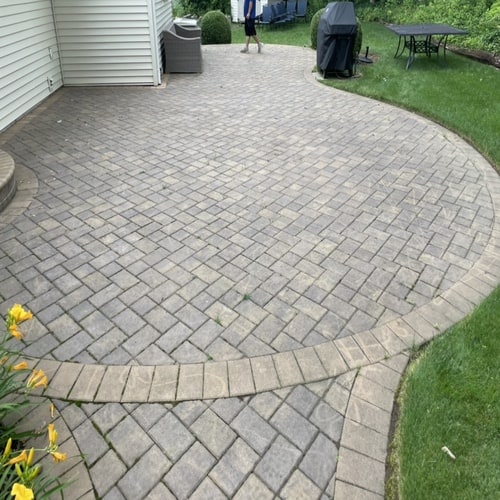
For commercial clients in Nassau County, the stakes around appearance are tied directly to how a property is perceived by customers and tenants. A stained, algae-covered entrance or a cracked, grimy paver plaza sends a message — and it’s not a good one. Commercial pressure washing isn’t just maintenance; it’s part of how a property presents itself to the people who use it every day.
The surfaces involved in commercial work tend to be more varied. Concrete pavers, brick, natural stone, and large-format slabs can all appear within the same property. Knowing how to treat each material correctly — and transition between them without damaging one surface while adequately cleaning another — requires experience that generalist exterior cleaning companies often don’t have.
Scheduling is another factor that distinguishes commercial from residential work. Most commercial clients need flexibility around business hours, tenant access, and event calendars. A restaurant patio needs to be done early morning before service. A retail center entrance needs to be dry and accessible before foot traffic picks up. We plan around those realities rather than asking the client to work around our schedule.
For HOA-managed communities in Nassau County — and there are many, from planned communities in Levittown to developments in Plainview and New Hyde Park — regular paver maintenance across shared common areas is often a contractual obligation. Keeping those surfaces clean, sealed, and structurally sound protects the community’s investment and keeps the property looking the way residents expect it to.
Questions Nassau County Homeowners Ask Before Booking Pressure Cleaning
A few questions come up consistently when homeowners are evaluating whether to move forward with our pressure cleaning services. Here are honest answers to the ones we hear most often.
**Do I need to seal my pavers after pressure cleaning?** Technically, no. But practically, yes. Cleaned pavers that aren’t sealed will re-stain faster than they did before — the cleaning opens the surface and makes it more porous. In Nassau County’s climate, where road salt, coastal moisture, and UV exposure are all working against your pavers, leaving them unsealed after a professional cleaning means you’ll be right back where you started within a season or two. Sealing is what makes the results last.
**Can pressure washing damage my pavers?** It can — if the wrong equipment or pressure settings are used. Natural stone, in particular, is vulnerable to high-pressure washing. Bluestone and travertine, popular choices on Long Island, can be permanently etched by a wand set too high. This is why material-specific knowledge matters. We calibrate pressure based on what’s actually on the ground, not a one-size setting applied to everything.
**How long will the results actually last?** With a quality sealer applied correctly to a properly cleaned and dried surface, results typically hold for several years. The exact timeline depends on surface type, traffic levels, and how much exposure the pavers get to the specific conditions on your property. Properties near the water — Long Beach, Atlantic Beach, Lido Beach — tend to see faster wear from salt air and may benefit from more frequent maintenance cycles.
**Do I need to hire a licensed contractor for this in Nassau County?** Nassau County’s Department of Consumer Affairs requires home improvement contractors to be registered and carry liability insurance before performing work on residential properties. That’s not a technicality — it’s a consumer protection requirement. Hiring an unlicensed operator can create liability issues if something goes wrong, and roughly one in five pressure washing operators nationwide isn’t properly licensed. Verifying credentials before you hire anyone is worth the two minutes it takes.
How to Find the Right Pressure Cleaning Service in Nassau County
The right pressure cleaning service isn’t just about the equipment — it’s about the knowledge behind it. Knowing which pressure to use on which material, how to treat efflorescence before cleaning, when the weather conditions are right for sealing, and how to leave a surface better than it was found — that comes from years of doing this work specifically on paver surfaces, not just anything with a flat side.
We’ve been doing this on Long Island for over 20 years, and the difference in results between a specialist and a generalist is visible the moment the job is done. If your pavers are stained, faded, or starting to show their age — or if you’ve had a bad experience with pressure washing before — it’s worth talking to someone who works exclusively with paver surfaces.
Reach out to us to get a clear assessment of what your pavers actually need and what it will take to get them looking right again.
Article details:
- Published by:
- Paver Savers
- Published to:
- Last modified:
- August 17, 2026
Share:
Continue learning: