The Process of Fixing Uneven Pavers: 4 Signs You Need Immediate Repair in Long Island
Discover the warning signs of uneven pavers and learn when professional repair becomes essential for Long Island homeowners.
Share:
Summary:
What Causes Pavers to Become Uneven in Long Island
Long Island’s unique climate creates the perfect storm for paver problems. The freeze-thaw cycles we experience each winter expand and contract the ground beneath your pavers, while summer heat and heavy rainfall add their own stresses.
But climate isn’t the only culprit. Tree roots grow underneath patios and slowly push stones upward while pulling water from surrounding soil. This creates dry spots that settle differently than the areas around them. Poor initial installation—like inadequately compacted base material or insufficient drainage—often doesn’t show up until years later when the ground finally settles.
Heavy use doesn’t help either. That beautiful paver driveway handles thousands of pounds of vehicle weight daily, and even foot traffic on patios creates pressure points that can shift individual stones over time.
The Role of Water Damage in Paver Settlement
Water is perhaps the most destructive force your Long Island pavers face. When drainage isn’t properly managed, water doesn’t just sit on the surface—it seeps down into the base material beneath your pavers.
Heavy rain can literally wash away the sand and gravel that keep your pavers stable and level. This erosion happens gradually, so you might not notice the problem until one section suddenly drops or tilts. Winter makes everything worse because water that penetrates the joints freezes and expands, pushing pavers apart and creating gaps that let in even more water.
Improper grading compounds the issue. If your patio or walkway doesn’t slope correctly to direct water away from the structure, you’ll see pooling that eventually undermines the entire installation. What starts as a small puddle after rain can become a major structural problem that requires lifting and resetting large sections of pavers.
The coastal location of Long Island adds another layer of complexity. Salt air and storm runoff carry corrosive elements that break down joint sand faster than in inland areas. This accelerated deterioration means Long Island properties need more frequent maintenance to prevent water infiltration and the settlement issues that follow.
How Tree Roots and Soil Movement Affect Paver Stability
Water is perhaps the most destructive force your Long Island pavers face. When drainage isn’t properly managed, water doesn’t just sit on the surface—it seeps down into the base material beneath your pavers.
Heavy rain can literally wash away the sand and gravel that keep your pavers stable and level. This erosion happens gradually, so you might not notice the problem until one section suddenly drops or tilts. Winter makes everything worse because water that penetrates the joints freezes and expands, pushing pavers apart and creating gaps that let in even more water.
Improper grading compounds the issue. If your patio or walkway doesn’t slope correctly to direct water away from the structure, you’ll see pooling that eventually undermines the entire installation. What starts as a small puddle after rain can become a major structural problem that requires lifting and resetting large sections of pavers.
The coastal location of Long Island adds another layer of complexity. Salt air and storm runoff carry corrosive elements that break down joint sand faster than in inland areas. This accelerated deterioration means Long Island properties need more frequent maintenance to prevent water infiltration and the settlement issues that follow.
4 Warning Signs Your Pavers Need Immediate Professional Repair
Not every paver issue requires immediate attention, but certain warning signs indicate problems that will only get worse—and more expensive—if you wait. These four signs mean it’s time to call in professional help before minor issues become major headaches.
Recognizing these early indicators can save you from complete paver replacement and the significant costs that come with it. More importantly, addressing these issues quickly protects your family and guests from potential injuries caused by uneven walking surfaces.

Sign #1: Visible Sinking or Raised Areas Creating Trip Hazards
The most obvious sign of paver problems is visible height differences between stones. If you can see dips, raised edges, or sections that clearly don’t align with surrounding pavers, you’re looking at a base failure that needs immediate attention.
These height differences often start small—maybe just a slight lip between two pavers that catches your toe occasionally. But ground movement doesn’t stop on its own. That small difference will become more pronounced with each freeze-thaw cycle, each heavy rain, and each time someone steps on the unstable section.
Trip hazards are particularly dangerous around pool areas, walkways, and main entry paths where people walk regularly, especially at night. Even a difference of half an inch between pavers can cause serious falls, particularly for elderly family members or guests unfamiliar with your property.
The location of sinking or raised areas often tells you something about the underlying cause. Sinking near trees suggests root issues, while sinking in low-lying areas points to drainage problems. Raised areas might indicate frost heave or expanding tree roots pushing upward from below.
Professional repair involves lifting the affected pavers, addressing the underlying cause—whether that’s inadequate base material, poor drainage, or root intrusion—and properly resetting the stones to create a level, safe surface. This isn’t a DIY project because getting the base preparation right requires specialized equipment and experience with Long Island soil conditions.
Sign #2: Water Pooling in Areas That Should Drain Properly
Water that stands on your paver surface after rain signals a serious problem with either the original grading or subsequent settling that’s changed the drainage pattern. Properly installed pavers should shed water quickly, directing it away from the structure and toward appropriate drainage areas.
Pooling water tells you that sections of your paver installation have sunk below the intended grade. This isn’t just inconvenient—it’s actively making the problem worse. Standing water seeps into joints and works its way down to the base material, where it can wash away sand and gravel that keep your pavers stable.
The freeze-thaw cycle turns pooled water into a destructive force. When that standing water freezes, it expands and pushes pavers apart, creating larger gaps that collect even more water. This cycle accelerates the deterioration of your paver installation and can quickly turn a small problem into a major repair project.
Long Island’s heavy spring rains and occasional hurricane-force storms put extra stress on paver drainage systems. If your pavers can’t handle normal rainfall, they certainly won’t cope with severe weather events that could cause extensive damage.
Professional paver lifting service can restore proper drainage by releveling affected areas and ensuring water flows where it should. This often involves removing pavers from the problem area, regrading the base material to restore proper slope, and reinstalling the pavers with attention to maintaining the correct drainage pattern. The fastest way to level pavers experiencing drainage issues is to address both the surface symptoms and the underlying grading problems simultaneously.
Professional Paver Stabilization: The Complete Repair Process
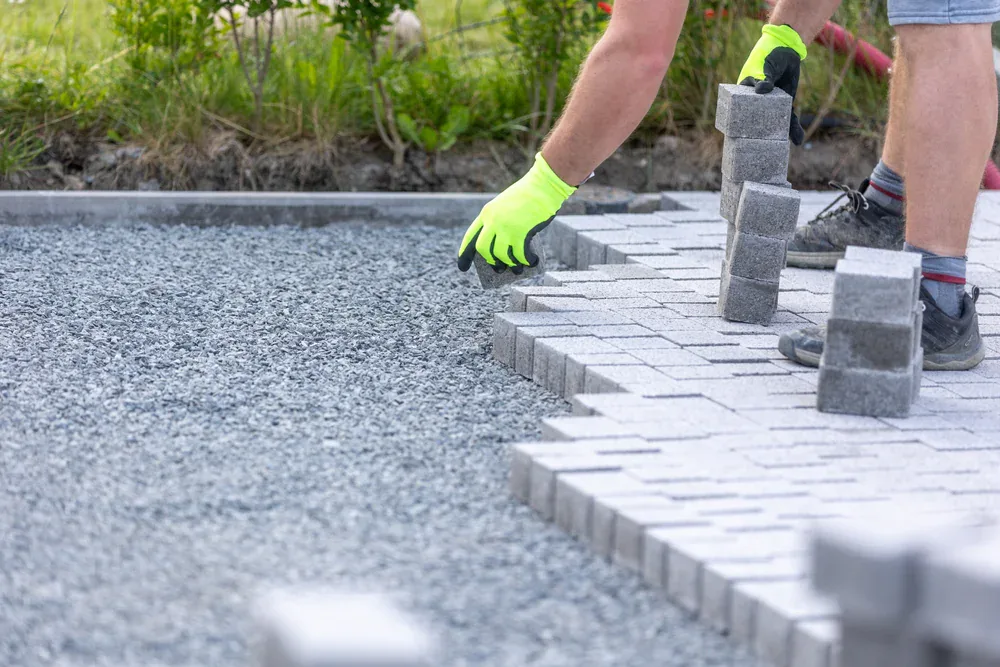
Professional paver repair goes far beyond just lifting sunken stones and adding sand underneath. The process requires understanding what caused the problem in the first place and addressing those root causes to prevent future issues.
The complete stabilization process restores both the structural integrity and appearance of your paver installation while ensuring it can withstand Long Island’s challenging climate conditions for years to come. When done properly, professional repair often lasts longer than the original installation because it corrects underlying issues that weren’t addressed initially.
Working with experienced professionals like us at Paver Savers means getting the job done right the first time, with the expertise and equipment needed to handle everything from simple releveling to complex base reconstruction projects.
Article details:
- Published by:
- Paver Savers
- Published to:
- Last modified:
- January 14, 2026
Share:
Continue learning: