Secrets to Making Your Long Island, NY Pavers Look Brand New Again
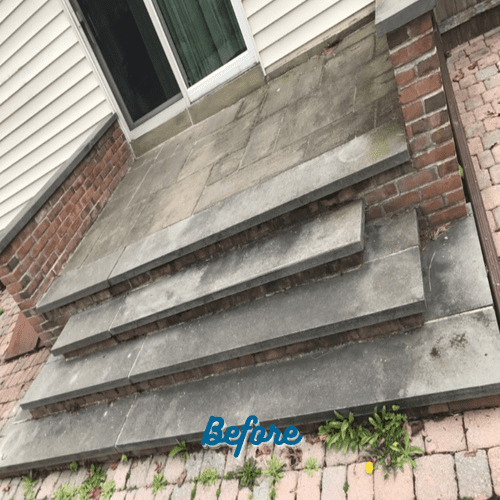
Long Island's harsh winters and coastal conditions wreak havoc on pavers, but professional restoration can make them look brand new again.
Share:

Summary:
Why Long Island Pavers Fade and Deteriorate So Quickly
Long Island’s climate is particularly harsh on paver surfaces. The combination of coastal salt air, freeze-thaw cycles, and high humidity creates conditions that accelerate deterioration faster than most other regions.
Research shows that repeated freezing and thawing of water within paver pores leads to microcracks that speed up the deterioration process. This is especially problematic in areas with significant seasonal temperature fluctuations like Long Island.
Salt-laden air from our coastal location compounds the problem by chemically etching surface minerals, while persistent moisture fosters algae and mold growth that stains and weakens paver surfaces.
The Hidden Damage from Winter Salt and Freeze-Thaw Cycles
Winter maintenance creates its own set of problems for Long Island pavers. Rock salt used for de-icing doesn’t just melt ice—it creates moisture that absorbs deep into paver pores and refreezes with each temperature change.
This process is particularly damaging because salt lowers the freezing point of water, causing more frequent freeze-thaw cycles throughout the winter. Each cycle expands and contracts the moisture within your pavers, creating internal stress that leads to surface spalling and cracks.
The abrasive nature of salt compounds this damage over time. What starts as minor surface etching eventually becomes noticeable discoloration and texture changes. Many homeowners don’t realize that the white, chalky appearance on their pavers is actually salt damage that has permanently altered the surface chemistry.
Professional restoration can reverse much of this damage, but timing matters. The longer salt damage remains untreated, the deeper it penetrates and the more expensive repairs become. Spring is the ideal time to assess and address winter salt damage before it becomes permanent.
How Coastal Humidity and UV Exposure Accelerate Fading
Winter maintenance creates its own set of problems for Long Island pavers. Rock salt used for de-icing doesn’t just melt ice—it creates moisture that absorbs deep into paver pores and refreezes with each temperature change.
This process is particularly damaging because salt lowers the freezing point of water, causing more frequent freeze-thaw cycles throughout the winter. Each cycle expands and contracts the moisture within your pavers, creating internal stress that leads to surface spalling and cracks.
The abrasive nature of salt compounds this damage over time. What starts as minor surface etching eventually becomes noticeable discoloration and texture changes. Many homeowners don’t realize that the white, chalky appearance on their pavers is actually salt damage that has permanently altered the surface chemistry.
Professional restoration can reverse much of this damage, but timing matters. The longer salt damage remains untreated, the deeper it penetrates and the more expensive repairs become. Spring is the ideal time to assess and address winter salt damage before it becomes permanent.
Professional Paver Restoration Methods That Actually Work
Bringing weathered pavers back to life requires more than surface cleaning. Professional restoration addresses the root causes of deterioration while rebuilding the protective barriers your pavers need to withstand Long Island’s climate.
The process starts with specialized cleaning that removes years of embedded dirt, salt residue, and organic growth without damaging the paver surface. High-volume, low-pressure hot water systems penetrate deep into paver pores to lift stubborn stains and restore the original color.
Joint stabilization follows, using polymeric sand that hardens to prevent weed growth and sand washout while maintaining proper drainage and flexibility during freeze-thaw cycles.
The Science Behind Professional Paver Sealing
Professional paver sealing creates multiple layers of protection that address Long Island’s specific climate challenges. Modern sealants form a hydrophobic barrier that repels water while allowing vapor transmission, preventing the moisture buildup that leads to freeze-thaw damage.
The sealing process begins with surface preparation that removes any remaining contaminants and opens paver pores for maximum penetration. Professional-grade sealants then penetrate up to a quarter-inch into the paver surface, creating a permanent bond that won’t peel or flake like surface coatings.
UV inhibitors in quality sealants prevent the photochemical breakdown that causes fading, while salt-resistant formulations protect against the chemical etching common in coastal environments. The result is a protective system that maintains paver color and integrity for 10-15 years with proper maintenance.
Application technique is crucial for long-term performance. We use precision sprayers and rollers to ensure even coverage and proper penetration, avoiding the streaking and uneven protection that often results from DIY attempts. Proper curing conditions and timing are equally important—sealing during Long Island’s moderate spring and fall weather provides optimal results.
Color Enhancement and Restoration Techniques
Severely faded pavers often require color restoration before sealing. Professional staining techniques can transform pavers that have lost their original appearance, bringing back vibrant colors that complement your landscape design.
The staining process uses penetrating colorants that bond with the paver material rather than sitting on the surface like paint. This creates natural-looking color variation and depth while providing long-lasting results that won’t chip or peel. Multiple coats may be needed to achieve the desired color intensity, especially when transitioning from faded beige tones to deeper grays or earth tones.
Color-enhancing sealers provide another option for pavers that retain some original color. These products intensify existing hues while adding protective benefits, creating the rich, wet look that makes pavers appear freshly installed.
Surface preparation is critical for both staining and color-enhancing treatments. Any remaining efflorescence, salt residue, or organic growth must be completely removed to ensure proper adhesion and uniform color development. Professional cleaning equipment and techniques are essential for achieving the clean, prepared surface needed for optimal results.
Maintaining Your Restored Pavers for Long-Term Beauty
Professional restoration is an investment that pays dividends when properly maintained. Simple maintenance practices can extend the life of your sealed pavers and keep them looking like new for years to come.
Regular cleaning with appropriate products prevents the buildup of organic matter and salt residue that can compromise your sealer over time. Professional maintenance every 2-3 years ensures your protective barrier remains intact and effective against Long Island’s challenging climate conditions.
The key is working with experienced professionals who understand our local conditions and can customize their approach accordingly. We have nearly 50 years of combined experience serving Nassau and Suffolk County homeowners, with the expertise to restore even severely damaged pavers to their original beauty.
Article details:
- Published by:
- Paver Savers
- Published to:
- Last modified:
- September 30, 2025
Share:
Continue learning: