Protect Your Patio with Paver Sealing in Long Island, New York
Long Island's harsh weather damages pavers fast. Professional sealing protects your investment and prevents costly replacements.
Share:
Summary:
Why Paver Sealing is Essential for Long Island Properties
Long Island pavers face constant assault from moisture, salt, UV rays, and temperature extremes. These materials might look solid, but they’re actually porous – absorbing water, oil, and other contaminants that cause long-term damage.
Without sealing, your pavers become vulnerable to staining, fading, and structural problems. Water penetration leads to freeze-thaw damage during winter months. Salt from de-icing treatments corrodes surfaces over time.
Professional sealing creates a protective coating that repels water and blocks stains before they penetrate. This barrier prevents the gradual deterioration that turns beautiful pavers into expensive replacement projects.
How Long Island Weather Damages Unsealed Pavers
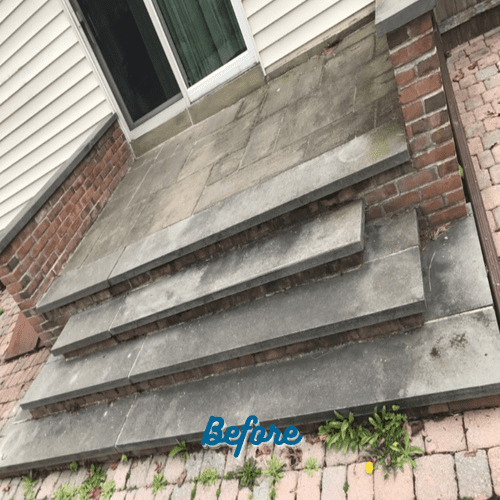
Long Island’s climate creates a perfect storm for paver damage. Summer humidity levels create ideal conditions for algae and mold growth, turning once-beautiful surfaces into slippery, discolored hazards.
Winter brings its own challenges. When water penetrates unsealed pavers and freezes, it expands with tremendous force. This freeze-thaw cycle creates cracks that start small but grow larger each season. What begins as hairline fractures eventually becomes structural damage requiring expensive repairs.
Salt exposure adds another layer of problems. De-icing salts don’t just disappear when spring arrives – they penetrate deep into porous paver surfaces, causing gradual corrosion and discoloration. Over time, this chemical assault breaks down the paver material itself.
UV radiation from intense summer sun causes fading and surface degradation. Without protective sealing, vibrant paver colors fade to dull, washed-out tones. Some pavers can fade to look like bare cement in just seven years without proper protection.
The combination of these factors means unsealed pavers deteriorate much faster on Long Island than in milder climates. What should last decades becomes a maintenance nightmare requiring frequent repairs and eventual replacement.
The Hidden Costs of Skipping Paver Sealing
Long Island’s climate creates a perfect storm for paver damage. Summer humidity levels create ideal conditions for algae and mold growth, turning once-beautiful surfaces into slippery, discolored hazards.
Winter brings its own challenges. When water penetrates unsealed pavers and freezes, it expands with tremendous force. This freeze-thaw cycle creates cracks that start small but grow larger each season. What begins as hairline fractures eventually becomes structural damage requiring expensive repairs.
Salt exposure adds another layer of problems. De-icing salts don’t just disappear when spring arrives – they penetrate deep into porous paver surfaces, causing gradual corrosion and discoloration. Over time, this chemical assault breaks down the paver material itself.
UV radiation from intense summer sun causes fading and surface degradation. Without protective sealing, vibrant paver colors fade to dull, washed-out tones. Some pavers can fade to look like bare cement in just seven years without proper protection.
The combination of these factors means unsealed pavers deteriorate much faster on Long Island than in milder climates. What should last decades becomes a maintenance nightmare requiring frequent repairs and eventual replacement.
Professional Paver Sealing Process and Benefits
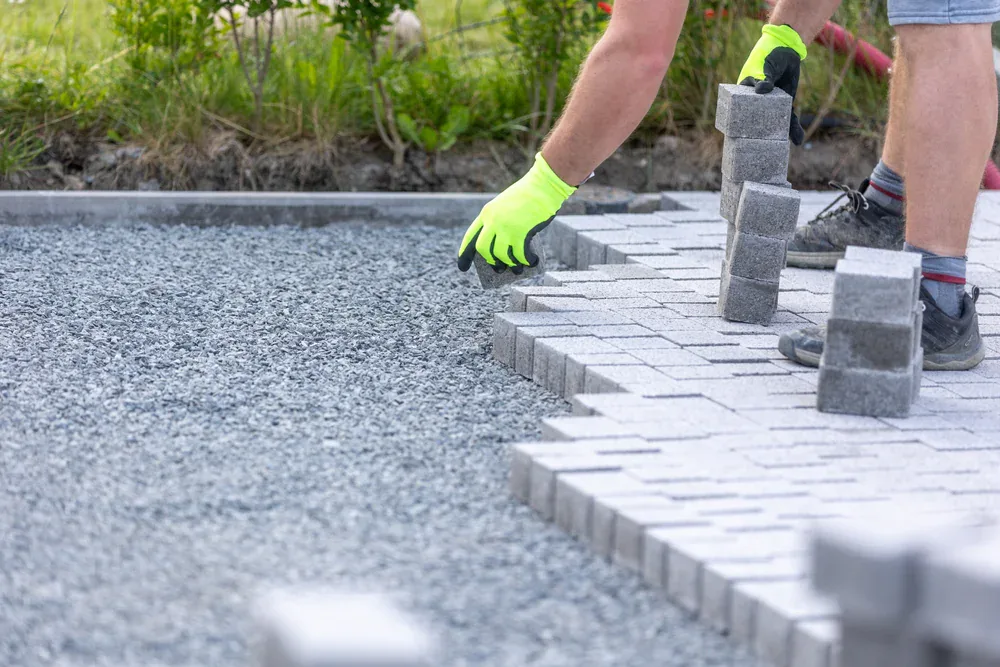
Professional paver sealing involves much more than simply applying a coating. The process begins with thorough surface preparation, including pressure washing to remove all dirt, stains, and organic growth.
Joint preparation comes next, with old sand removed and replaced with polymeric sand that hardens when activated. This creates stable joints that resist erosion and block weed growth for years.
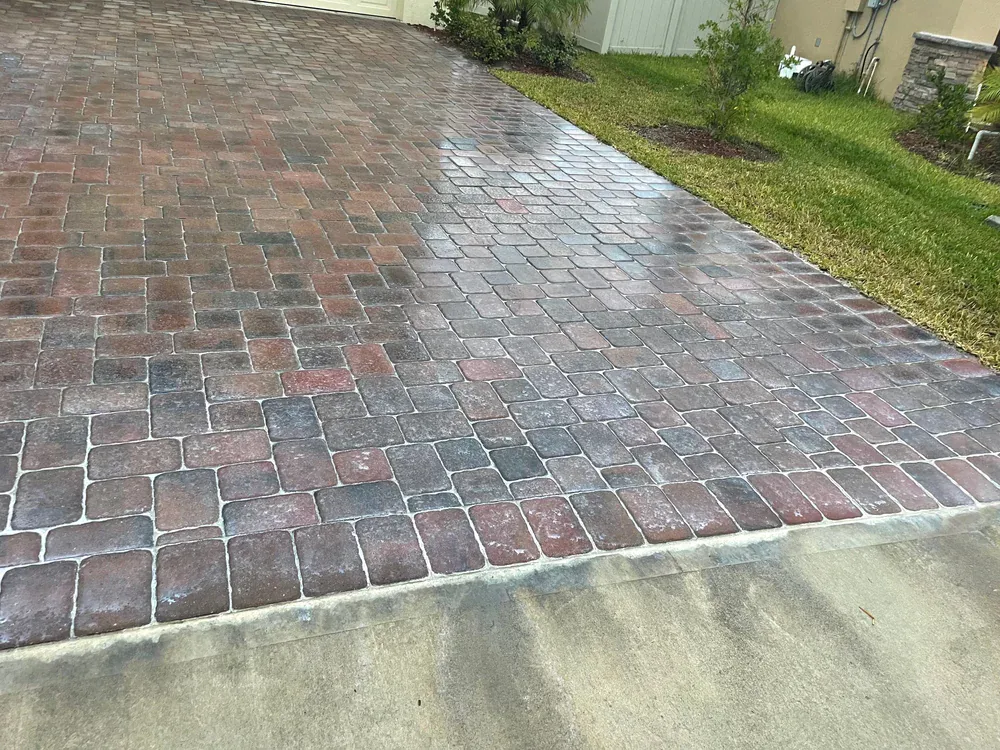
The sealing application itself uses high-quality products designed specifically for Long Island’s climate conditions. These sealers penetrate the paver surface while creating a protective barrier on top, providing dual-layer protection against the elements.
What Makes Professional Sealing Different from DIY
Professional paver sealing delivers results that last years, not months like DIY attempts. The difference lies in proper surface preparation, quality materials, and application expertise.
Surface cleaning requires commercial-grade equipment and techniques. We use hot water pressure washing systems with controlled pressure that removes embedded dirt without damaging joints or surfaces. We apply biodegradable pre-treatment solutions that break down stubborn stains and organic growth.
Joint stabilization represents a critical step that DIY projects often skip or execute poorly. We remove all loose sand, clean joint spaces thoroughly, and install polymeric sand with precise water activation. Improper polymeric sand installation creates white haze problems that get trapped under sealer.
Product selection makes a huge difference in longevity. Professional-grade sealers offer superior protection and durability compared to retail products. These commercial formulations resist yellowing, provide consistent coverage, and maintain effectiveness through multiple seasons.
Application timing and technique require experience to execute properly. We understand how weather conditions, surface temperature, and humidity affect sealer performance. We know how to achieve even coverage without creating streaks or buildup.
Quality control throughout the process ensures optimal results. Our crews inspect work at each stage, addressing any issues before they become permanent problems trapped under the sealer coat.
Long-Term Maintenance and Resealing Schedule
Proper maintenance extends the life of your paver sealing investment significantly. Most Long Island pavers benefit from professional cleaning every 2-3 years, with resealing recommended every 3-5 years depending on exposure and traffic.
High-traffic areas like driveways may require more frequent attention, while protected patio areas can go longer between treatments. Pavers in shaded areas or near trees typically need annual cleaning due to increased organic debris and moisture retention.
Regular inspection helps identify maintenance needs before they become major problems. Look for areas where the sealer appears worn, joints showing signs of sand loss, or surfaces developing stains that resist normal cleaning.
Seasonal considerations affect maintenance timing on Long Island. Spring and early fall provide optimal conditions for sealing work, with moderate temperatures and humidity levels that allow proper curing. Avoid sealing during extreme heat or before potential frost.
Professional maintenance programs offer the most cost-effective approach to long-term paver protection. Regular service prevents small issues from becoming expensive repairs while maintaining your pavers’ appearance and structural integrity.
Simple maintenance between professional services includes regular sweeping, prompt spill cleanup, and gentle washing with appropriate cleaners. Avoid harsh chemicals or high-pressure washing that can damage sealed surfaces.
Protecting Your Paver Investment in Long Island
Long Island’s challenging climate makes paver sealing essential, not optional. Professional sealing protects your investment while preventing the costly damage that unsealed pavers inevitably suffer.
The benefits extend far beyond appearance – you’re protecting structural integrity, reducing maintenance costs, and preserving property value. Quality sealing pays for itself through avoided repairs and extended paver lifespan.
For Long Island homeowners serious about protecting their paver investment, we offer the expertise and quality you need. Our comprehensive approach ensures your outdoor spaces stay beautiful and protected for years to come.
Article details:
- Published by:
- Paver Savers
- Published to:
- Last modified:
- December 4, 2025
Share:
Continue learning: