How Paver Sealing Boosts Your Long Island, New York Home’s Value
Learn how paver sealing transforms faded Long Island driveways and patios into vibrant, valuable home features.
Share:

Summary:
Why Paver Sealing Is Essential for Long Island Properties
Long Island’s climate creates a perfect storm for paver deterioration. The combination of freeze-thaw cycles, salt-laden coastal air, and high humidity accelerates damage through cracks, efflorescence, and joint erosion. Research shows that repeated freezing and thawing of water within paver pores creates microcracks that accelerate deterioration—especially relevant in regions with significant seasonal temperature fluctuations like ours.
Without protection, your pavers absorb water, stains, and pollutants. They’re extremely porous despite feeling solid, making them vulnerable to oil stains, salt damage, and moisture-related problems. The sand between pavers washes away with heavy rains, creating structural instability and inviting weed growth that can cause serious long-term damage.
How Long Island Weather Destroys Unprotected Pavers
Your pavers endure a relentless assault from Long Island’s elements year-round. Winter brings freeze-thaw cycles that force water deep into porous surfaces, then expand as it freezes, creating internal pressure that leads to cracks and spalling. Spring rains wash away joint sand, destabilizing the entire surface and creating perfect conditions for weeds to take root.
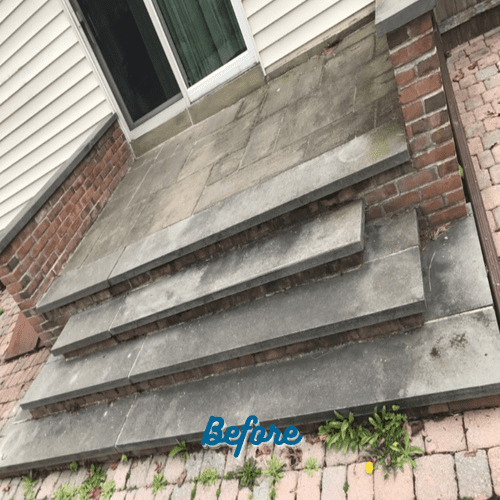
Summer’s intense UV rays bleach out the pigments that give your pavers their rich color, leaving them looking like bare cement. The salt air from our coastal location accelerates this fading process while also causing efflorescence—those white, chalky deposits that make even relatively new pavers look old and neglected.
Fall brings its own challenges as organic matter like leaves and debris settle into joints, retaining moisture and promoting the growth of algae, mold, and mildew. This biological growth not only looks unsightly but can make surfaces slippery and dangerous. Without professional intervention, this cycle repeats year after year, each season causing more damage than the last.
The financial impact hits hard when you realize replacement costs. Quality paver installation runs $15-25 per square foot in Nassau and Suffolk counties. A typical 500-square-foot patio replacement could cost $7,500-12,500, while professional sealing costs a fraction of that while extending your pavers’ life by 10-15 years.
The Hidden Costs of Neglecting Paver Maintenance
Your pavers endure a relentless assault from Long Island’s elements year-round. Winter brings freeze-thaw cycles that force water deep into porous surfaces, then expand as it freezes, creating internal pressure that leads to cracks and spalling. Spring rains wash away joint sand, destabilizing the entire surface and creating perfect conditions for weeds to take root.
Summer’s intense UV rays bleach out the pigments that give your pavers their rich color, leaving them looking like bare cement. The salt air from our coastal location accelerates this fading process while also causing efflorescence—those white, chalky deposits that make even relatively new pavers look old and neglected.
Fall brings its own challenges as organic matter like leaves and debris settle into joints, retaining moisture and promoting the growth of algae, mold, and mildew. This biological growth not only looks unsightly but can make surfaces slippery and dangerous. Without professional intervention, this cycle repeats year after year, each season causing more damage than the last.
The financial impact hits hard when you realize replacement costs. Quality paver installation runs $15-25 per square foot in Nassau and Suffolk counties. A typical 500-square-foot patio replacement could cost $7,500-12,500, while professional sealing costs a fraction of that while extending your pavers’ life by 10-15 years.
How Professional Paver Sealing Increases Property Value
Professional paver sealing delivers immediate visual impact that translates directly into increased property value. The process transforms weathered, faded surfaces into vibrant, like-new features that enhance your home’s curb appeal and market position.
Quality sealers create a protective barrier that blocks up to 90% of water penetration while forming a UV filter that prevents color-bleaching rays from reaching the surface. This protection maintains the rich colors and textures that made you choose pavers originally, ensuring they continue contributing positively to your home’s overall presentation for years to come.
The Science Behind Paver Protection and Value Enhancement
Modern paver sealers work on multiple levels to protect your investment and enhance property value. Penetrating sealers soak deep into the paver material, creating a hydrophobic barrier that repels water while allowing the surface to breathe. This prevents the moisture entrapment that leads to freeze-thaw damage while maintaining the natural appearance homeowners prefer.
Film-forming sealers create a protective layer on the surface that enhances color vibrancy and provides superior stain resistance. These sealers offer a “wet look” finish that makes colors pop while creating a smooth surface that discourages chipping and additional cracking. When temperatures change and pavers naturally expand and contract, sealed surfaces experience less movement and reduced cracking risk.
The joint stabilization aspect proves equally important for long-term value preservation. Professional sealing includes proper polymeric sand installation that hardens when activated, creating a solid barrier against weed growth, ant infiltration, and sand displacement. This stabilization maintains the structural integrity that keeps your pavers level and safe while preventing the shifting that creates trip hazards and insurance liability.
Color enhancement represents one of the most visible value-adding benefits. Quality sealers restore faded pavers to near-original vibrancy while protecting against future UV damage. The transformation often surprises homeowners who assumed their pavers were permanently damaged. Professional application ensures even coverage and optimal penetration for results that last 3-5 years with proper maintenance.
Real Estate Impact and Return on Investment
Long Island real estate professionals consistently identify well-maintained hardscaping as a key value driver in today’s competitive market. Properties with professionally sealed pavers command higher asking prices and sell faster than comparable homes with deteriorated outdoor surfaces.
The return on investment for paver sealing typically ranges from 200-400% when factoring in prevented replacement costs and increased property value. A $2,000 sealing investment on a typical patio can prevent $8,000-12,000 in replacement costs while adding $3,000-5,000 to property value through enhanced curb appeal.
Buyers increasingly prioritize move-in-ready properties with minimal maintenance requirements. Sealed pavers signal that the property has been well-maintained and won’t require immediate outdoor improvements. This perception allows sellers to position their homes as premium options while justifying higher asking prices.
The extended lifespan achieved through professional sealing—often 10-15 years beyond unsealed pavers—provides long-term value protection that compounds over time. Homeowners who seal their pavers every 3-5 years maintain like-new appearance and functionality while avoiding the disruption and expense of replacement projects. This consistent maintenance creates a valuable asset that appreciates rather than depreciates over time.
Protecting Your Long Island Paver Investment for Maximum Value
Your Long Island pavers represent a significant investment that deserves professional protection. The combination of our harsh coastal climate and seasonal temperature extremes makes sealing essential rather than optional for maintaining both appearance and structural integrity.
Professional paver sealing transforms faded, vulnerable surfaces into protected assets that enhance your property value for years to come. The process prevents costly damage while maintaining the beauty that makes pavers such a desirable feature for discerning Long Island homeowners.
Don’t let another season of freeze-thaw cycles, salt exposure, and UV damage diminish your property’s value and curb appeal. Contact us today to discover how our professional sealing services can restore your pavers’ original beauty while protecting your investment for the long term.
Article details:
- Published by:
- Paver Savers
- Published to:
- Last modified:
- January 14, 2026
Share:
Continue learning: